

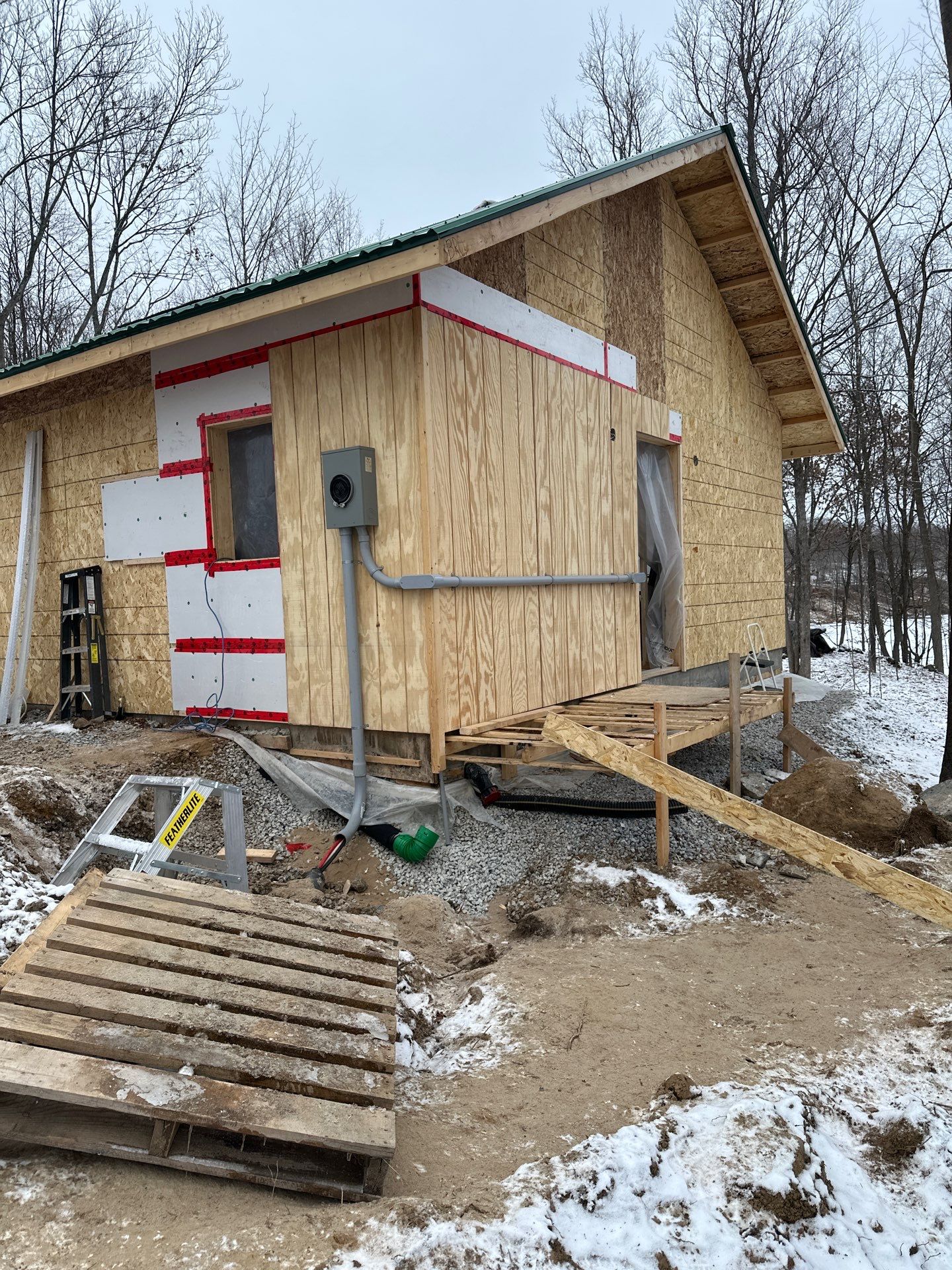
Rural Private Power Line & Underground Service Installation
Private power infrastructure for a wooded rural property
Private power infrastructure planned as one unified solution.
This project involved private power line infrastructure for a rural property where service needed to be brought from the utility connection point at the road allowance / customer’s property line to a new structure through coordinated overhead service planning, underground trenching, conduit installation, and supporting electrical infrastructure.
The work reflects the type of private-property power project Stone City Pole Lines is built for: not just a single electrical task, but a sequence of connected infrastructure decisions involving routing, excavation, service access, equipment placement, and building-side integration.
For this rural property, Stone City Pole Lines helped support the design, installation, and coordination of private power infrastructure serving a new structure on the property.
The project included visible elements of:
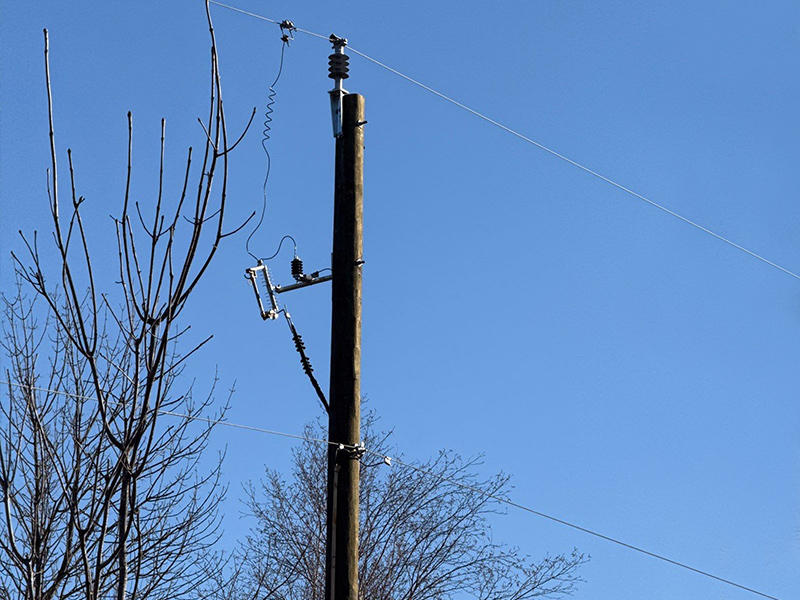
- Existing Private Hydro Pole and Overhead Service
- Underground Service Routing
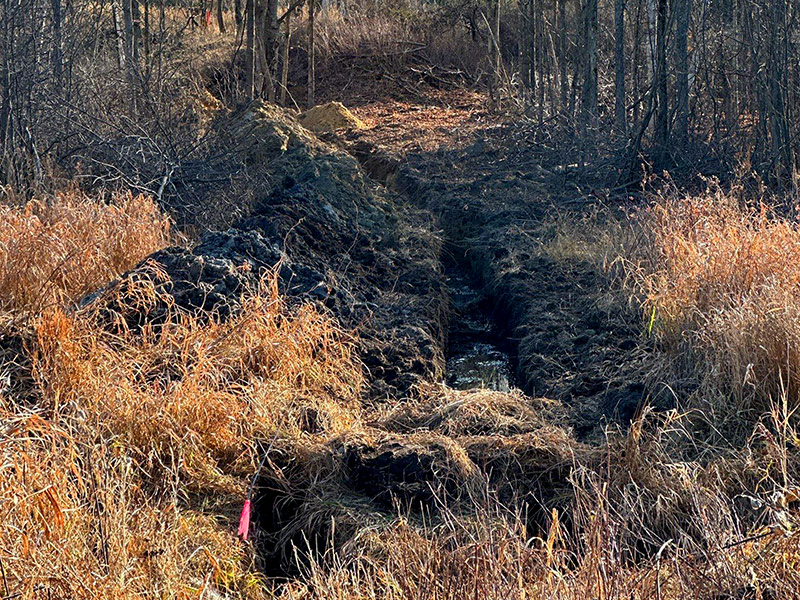
- Trenching through Rural Terrain
- Utility Conduit Placement
- Service Cable Staging
- Exterior Service Equipment
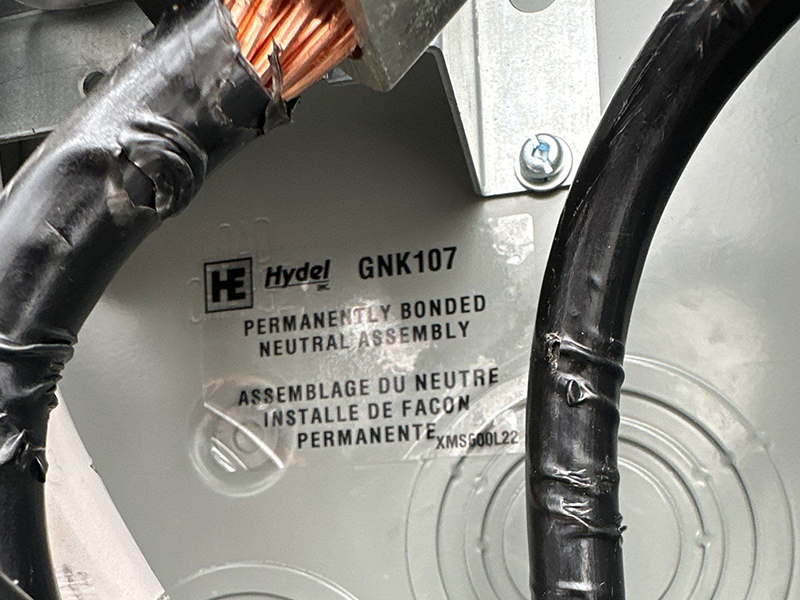
- Interior Panel Infrastructure
- Coordination Between Power Line, Excavation, and Electrical Service Requirements
Rather than treating each part of the work as separate, the project needed to be approached as a complete property-serving system.
Rural power infrastructure is shaped by the property itself.
In this case, the service path appears to involve wooded terrain, open rural ground, winter site conditions, and a new structure requiring underground service infrastructure.
The project required attention to routing, access, trench depth, conduit placement, service equipment, and how the underground work would connect back to the property’s hydro pole and power line infrastructure.
For a property owner, this kind of project can quickly become complicated because there are multiple requirements that need to be coordinated properly — from current electrical code requirements and permits to trench depth, inspections by the Electrical Safety Authority, and coordination with Hydro One where utility-side connection requirements are involved.
Stone City’s role is to help bring those pieces together with clearer scoping, practical coordination, and infrastructure-aware execution.
Not one task. A connected infrastructure sequence.
The project included visible elements of the existing private hydro pole and overhead power line, underground service routing, trenching through rural terrain, utility conduit placement, service cable staging, exterior service equipment, interior panel infrastructure, and coordination between power line, excavation, and electrical service requirements.
Existing hydro pole and overhead service
Understanding where the property-serving infrastructure begins and how the existing overhead service informs the rest of the work.
Route planning through rural terrain
Considering wooded access, open ground, winter conditions, distance, and the path required to reach the structure.
Excavation and trenching
Preparing the underground service path with attention to depth, access, site conditions, and practical installation requirements.
Conduit and cable staging
Coordinating the material infrastructure required to support the underground service run.
Building-side integration
Connecting the underground work into exterior service equipment and interior panel infrastructure.
What the project imagery shows.
This project focused on the installation of an underground electrical service for a rural private property, connecting the service point near the road allowance / customer’s property line to a new structure on the property.
Private Power Line & Hydro Pole
TBA
The project includes a wooden hydro pole and overhead power line serving the property. This helps clarify that Stone City’s work is focused on property-level hydro poles and private power infrastructure, not large steel transmission towers.
Underground Service Routing
TBA
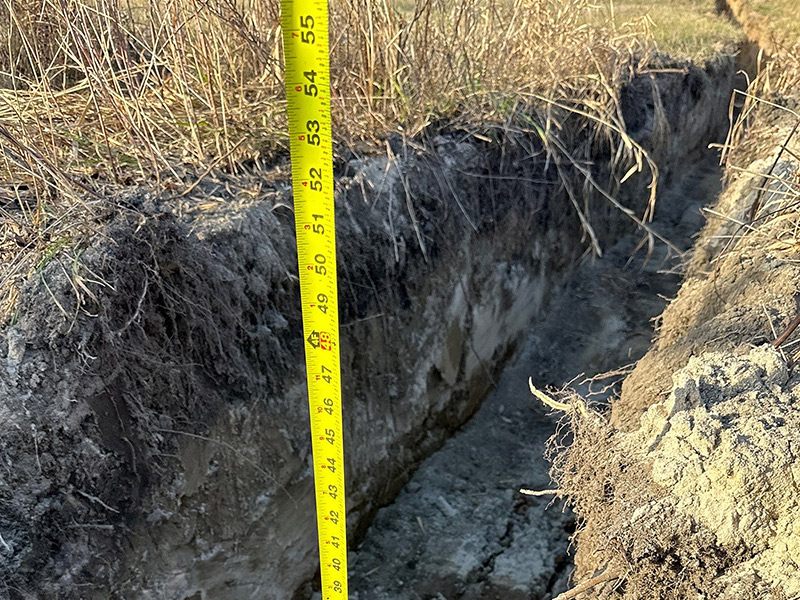
The trenching images show a routed underground service path through rural terrain, requiring careful consideration of distance, depth, access, and site conditions.
Utility Excavation & Trenching
TBA
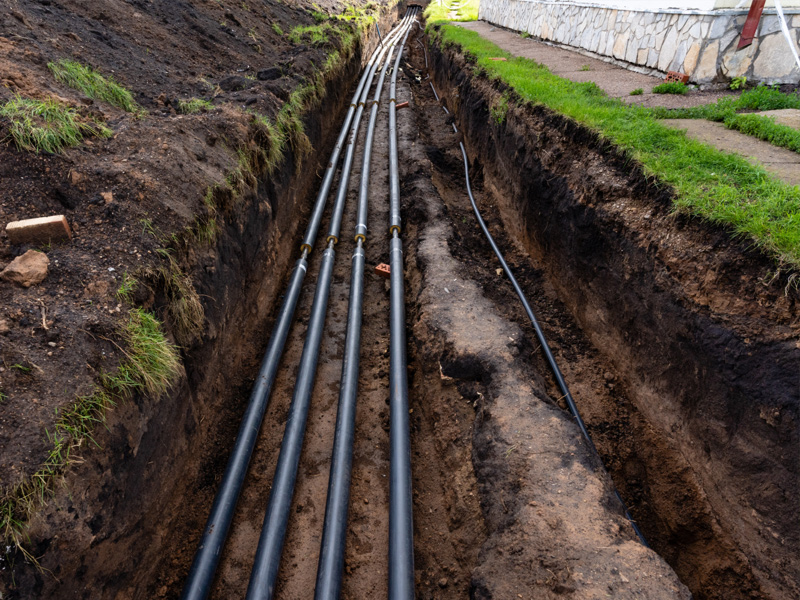
The trench work demonstrates the excavation side of private power line infrastructure, where site conditions directly affect how the underground service can be installed.
Conduit Installation
TBA
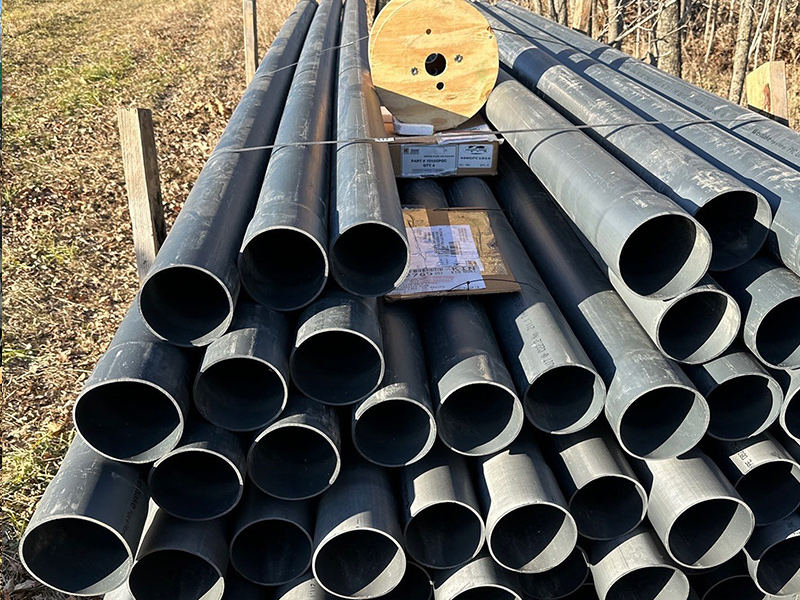
Conduit was installed to protect and support the underground electrical service run. Proper conduit placement is critical for long-term service reliability, code compliance, and future service access.
Service Cable Preparation
TBA
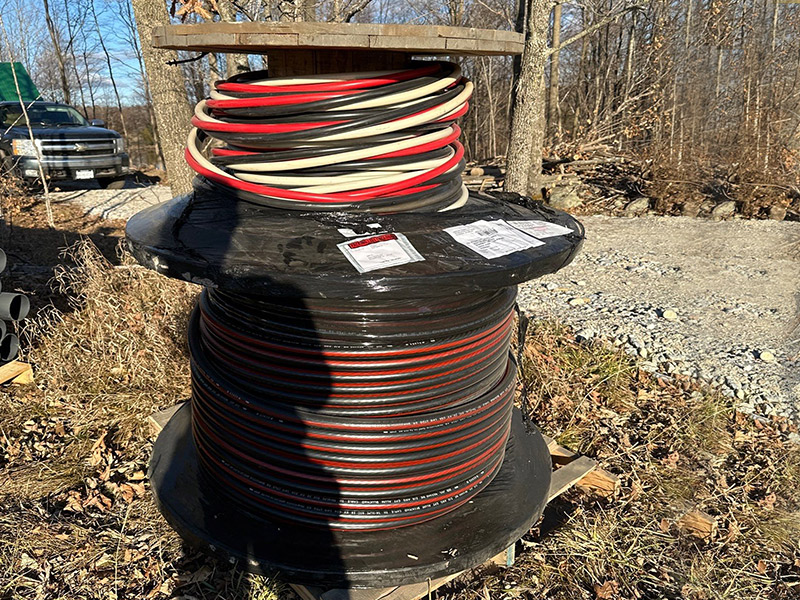
The project involved preparing and supporting the underground service cable installation from the service source toward the new structure, ensuring the underground run was coordinated with the overall electrical service requirements.
Service Entrance Preparation
TBA
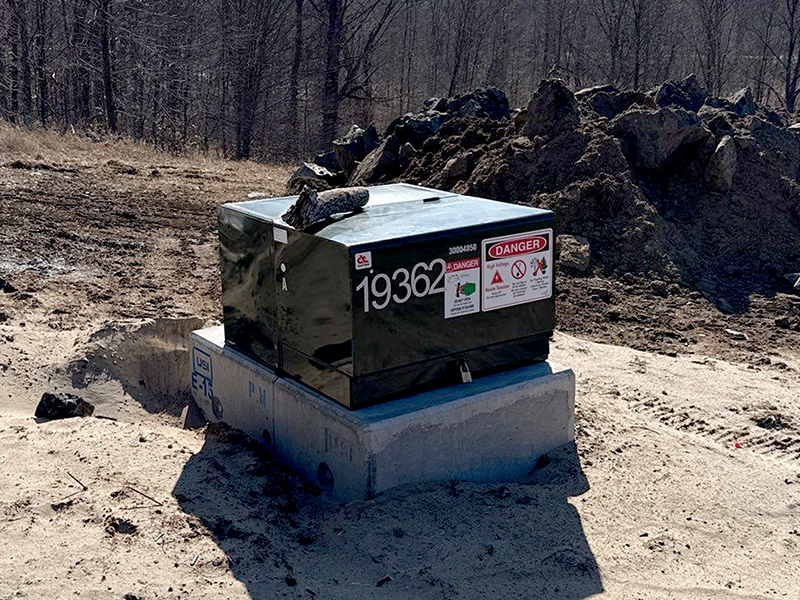
The underground service had to connect cleanly with the building-side electrical infrastructure, including the service entrance equipment, meter base, panel requirements, exterior mounting location, and utility pad preparation needed for inspection and Hydro One coordination.
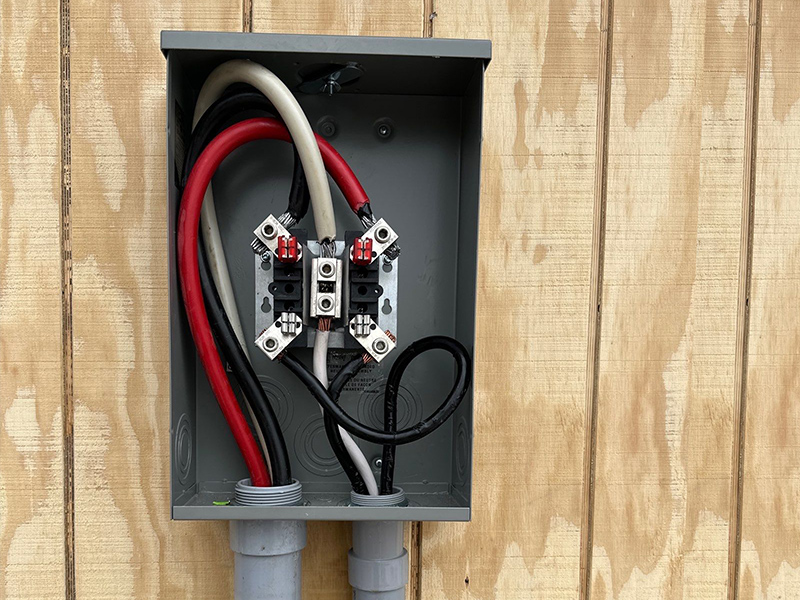
Code and Inspection
TBA
The work needed to account for current electrical code requirements, required permits, trench depth standards, ESA inspection requirements, and coordination with Hydro One where applicable to the service connection.
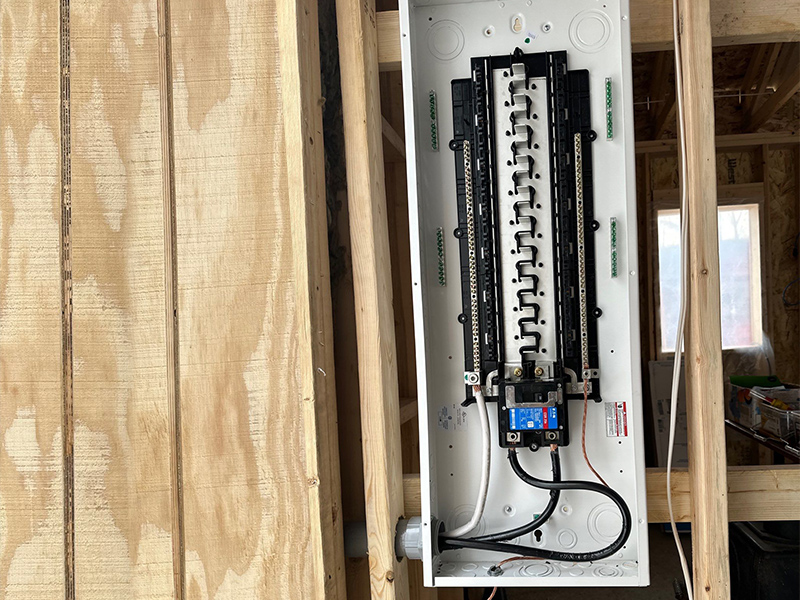
Stone City Pole Lines approaches projects like this by looking at the full service path — not only the final connection point.
This is where private hydro infrastructure experience matters. The work is not only about getting power from one point to another. It is about making sure the route, installation, support work, and final service infrastructure are approached as one connected system.
That means considering:
- Where the private power line or hydro pole infrastructure begins
- How the service should be routed across the property
- Whether overhead or underground service is most appropriate
- What excavation and trenching conditions are involved
- How conduit, cable, and service equipment should be coordinated
- How the work connects to the building
- How the project can be completed with respect for property conditions, schedule, and budget
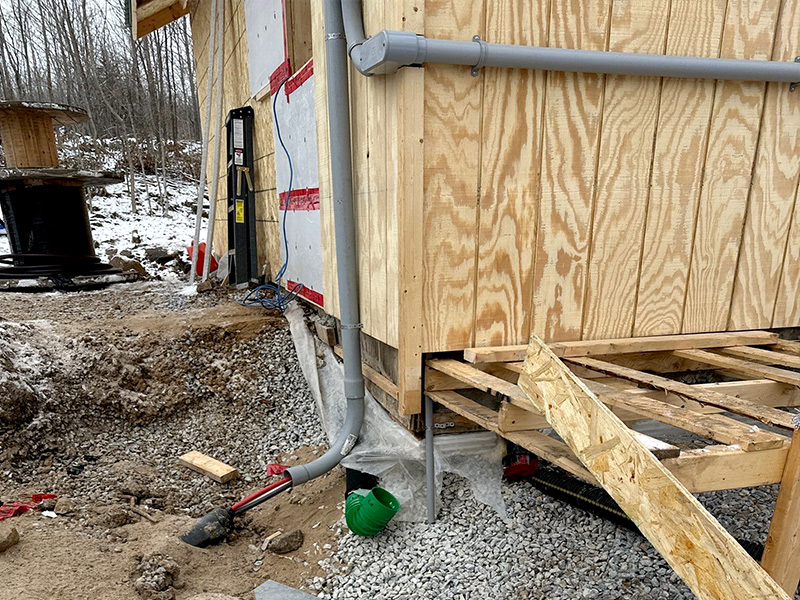
A coordinated service path from pole area to structure.
The completed project shows a coordinated private power infrastructure path from the property’s hydro pole and service area toward the new structure, supported by underground trenching, conduit, service cable, exterior equipment, and interior electrical infrastructure.
For the property owner, the value is peace of mind: the work was scoped around the actual site conditions, coordinated across the necessary infrastructure stages, and built to support dependable long-term service to the property.
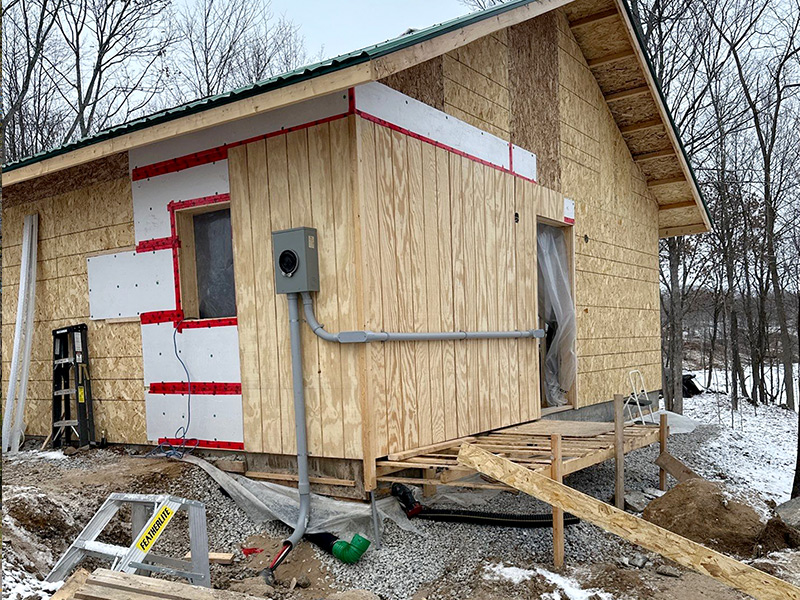
Planning a private power line or underground service project?
Stone City Pole Lines helps property owners coordinate hydro pole infrastructure, trenching, conduit, service equipment, and building-side electrical infrastructure as one connected system.
Discuss Your Project